In mid-April, Horse Powertrain and Repsol officially unveiled the HORSE H12 Concept engine, a next-generation hybrid power unit developed entirely in Spain. The project, led by teams from Horse Technologies in Valladolid and the Repsol Technology Lab in Madrid, promises to reduce fuel consumption by 40% compared with equivalent conventional engines.
As explained by Javier Aríztegui, head of the technology area at Repsol Technology Lab, this technology enables vehicles to operate without generating greenhouse gas (GHG) emissions during use. The HORSE H12 Concept is a joint project that demonstrates that the major leap forward in decarbonisation, through innovative technological solutions, is not a future prospect but a present-day reality. A medium-sized vehicle equipped with this new engine emits 1.77 tonnes less CO₂ per year than a comparable vehicle with a traditional engine and fuel.

It represents an alternative to electrification based on renewable raw materials such as organic waste, used cooking oils and agricultural or forestry residues. The HORSE H12 Concept engine introduces improvements to the combustion system and reduces internal losses, but the key lies in the renewable fuel that powers it. Although the engine emits CO₂ through the exhaust during combustion, this CO₂ is the same carbon that plants previously absorbed through photosynthesis, or that would be released when processing the waste, thereby achieving a “net-zero” balance.
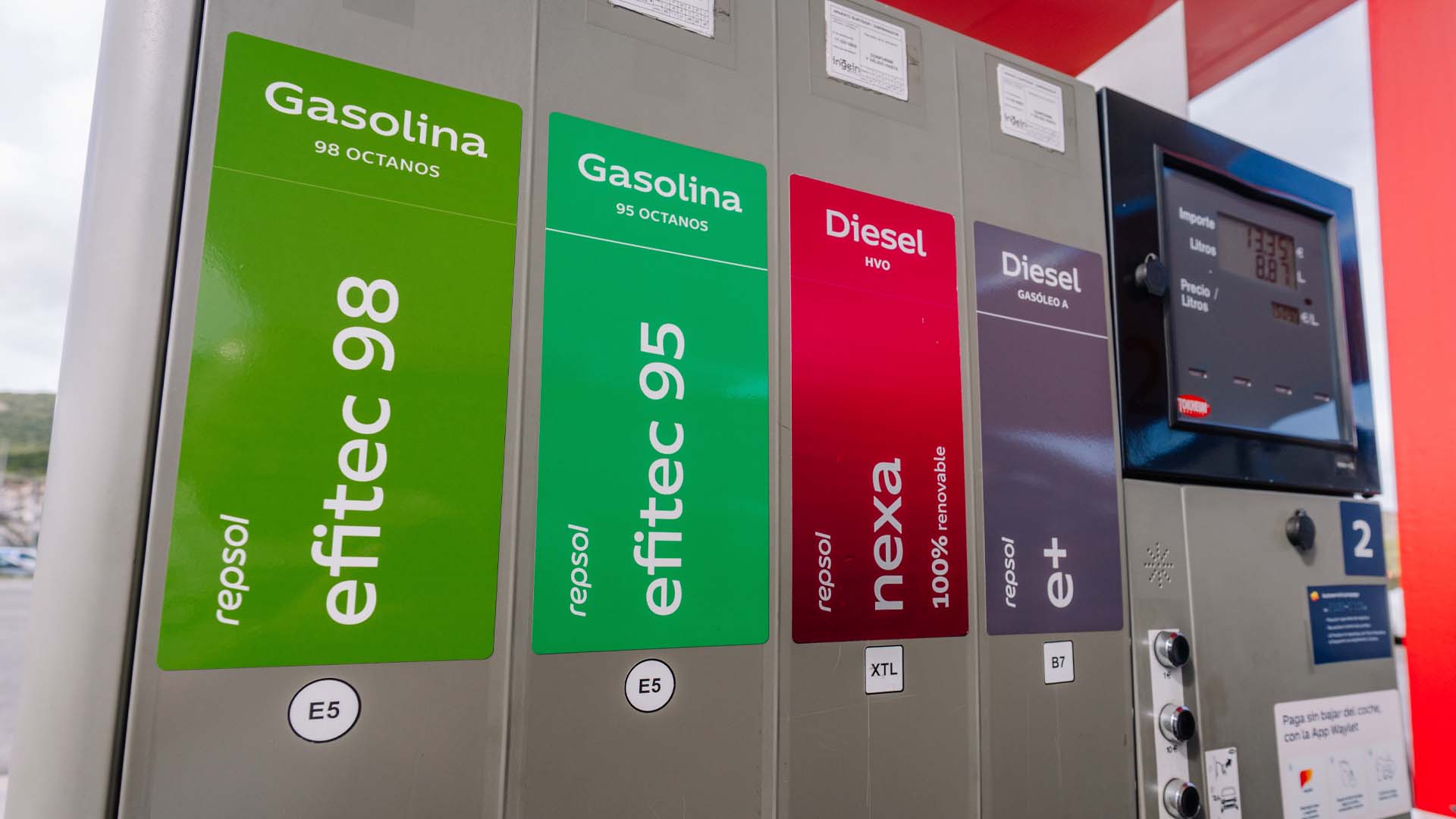
This is a drop-in fuel, equivalent to conventional fuel and compatible with both current vehicles and future developments. At its industrial plants, Repsol applies a hydrogenation process to transform waste into high-quality fuel. Currently, the Diesel Nexa 100% Renewable supply network is a real and accessible solution, available at 1,500 service stations across the Iberian Peninsula.
Known as HVO — Hydrotreated Vegetable Oil — the value of this fuel lies in its circular-economy-based production process, which fully complies with the European EN 15940 standard.