
Geopolitical conflicts, such as the war in the Middle East and the resulting disruption to the normal operation of the Strait of Hormuz, alongside rising demand ahead of the summer, are causing a shortage of kerosene (aviation fuel).
Supply shortages in aviation turbine fuel are beginning to affect various European countries, putting the tourism sector at risk. This global aviation alert demands immediate solutions.
Currently, regulations such as ReFuelEU Aviation are driving the adoption of SAF (Sustainable Aviation Fuel) to decarbonise aviation. This new framework aims to reduce the carbon footprint and promote the development of fuel production from various feedstocks and waste materials, such as used cooking oil or forestry biomass.
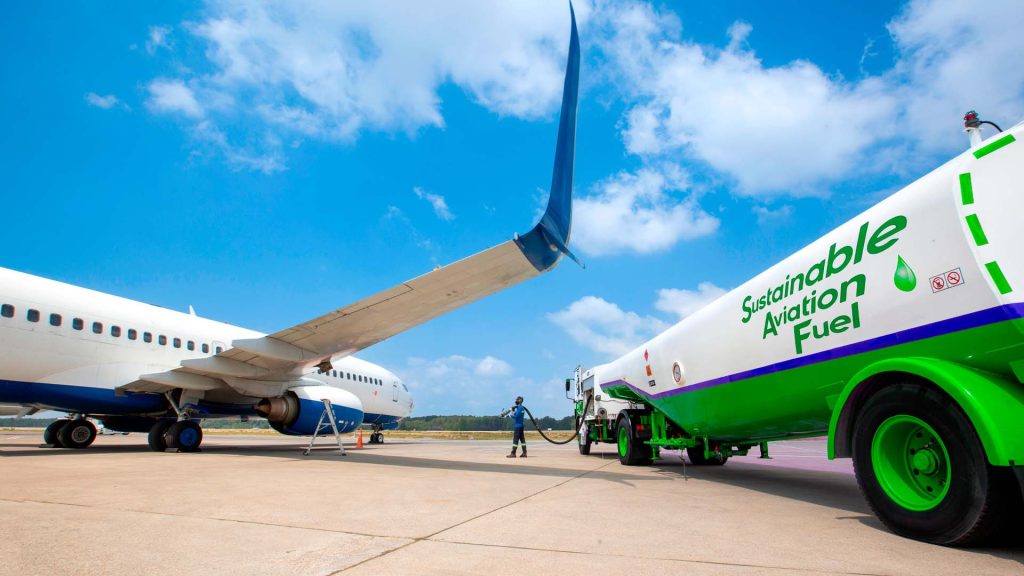
Companies like Repsol have successfully anticipated these EU measures. In the face of aviation fuel shortages, used cooking oil has emerged as the sustainable alternative. Following a series of milestones, in 2024 Repsol commissioned its first plant on the Iberian Peninsula exclusively dedicated to the large-scale production of 100% renewable fuel, located in Cartagena.
Prior to the consolidation of the Cartagena plant, back in 2021, Repsol had already partnered with Iberia to operate the first domestic flight using biofuel. This journey served to confirm that emissions could be reduced and that waste materials could power commercial aircraft. This technology was validated a year later when the Spanish Air and Space Force’s Patrulla Águila aerobatic team used renewable fuel during their flypast for the Día de la Hispanidad (National Day) parade.
The reality is that renewable fuels provide a cost-effective, immediate solution. Unlike other alternatives such as mass electrification or hydrogen, sustainable fuels can utilise existing infrastructure, namely pipelines, refineries, filling stations, and engines.
In this climate of energy tensions, sustainable aviation fuel represents a crucial solution because it reduces net $CO_2$ emissions by up to 80% across its lifecycle compared to fossil kerosene. While it is true that combustion generates emissions, its primary advantage is that it is renewable, and being cleaner, it deposits fewer sulphur emissions and other fine particulate matter into the atmosphere. The net greenhouse gas balance is significantly lower, which is decisive for achieving the net-zero emissions target by 2050.