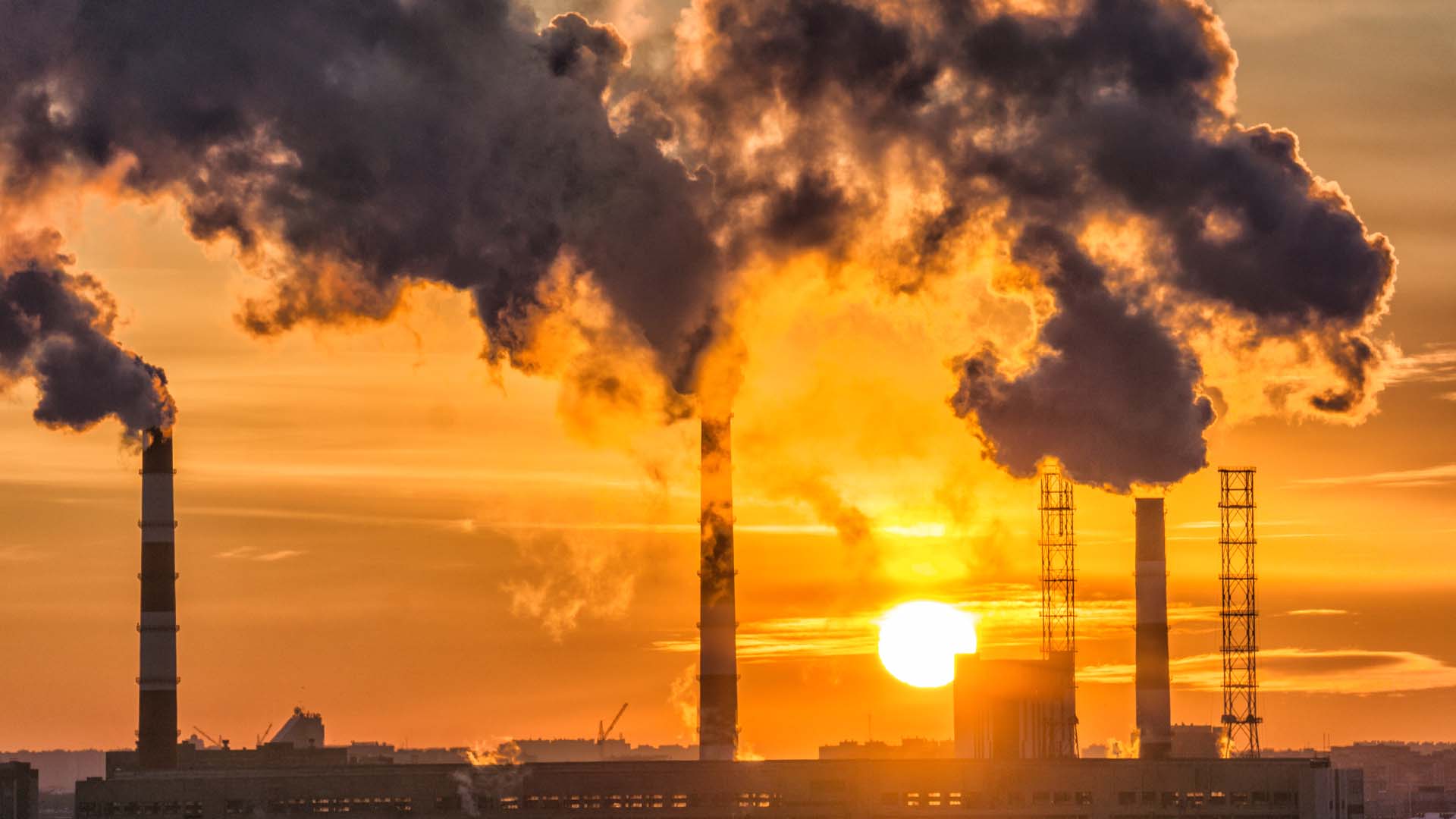
According to reports provided by the Potsdam Institute for Climate Impact Research and published in the journal Nature, the European Union (EU) must achieve this percentage if it is to reach climate neutrality by 2050 at the lowest possible cost.
This recommendation is in line with the European Commission’s proposal. In its transition towards climate neutrality by 2050, the Council of the EU and the European Parliament agreed on a target to reduce net emissions by 90% by 2040 compared with 1990 levels, through electrification and renewable energy.
The aim is for electricity generation from wind and solar power to be seven times higher in 2040 than in the period between 2018 and 2022, and for the share of electricity in final energy consumption to increase to 49%.
There is also a clear intention to promote the use of alternative energy sources. Greater demand for green hydrogen, ammonia and synthetic fuels, for example, would substantially reduce imports of fossil fuels.
The EU estimates that the adoption of these ambitious policies, set out in the European Green Deal , will strengthen its economy and its independence.
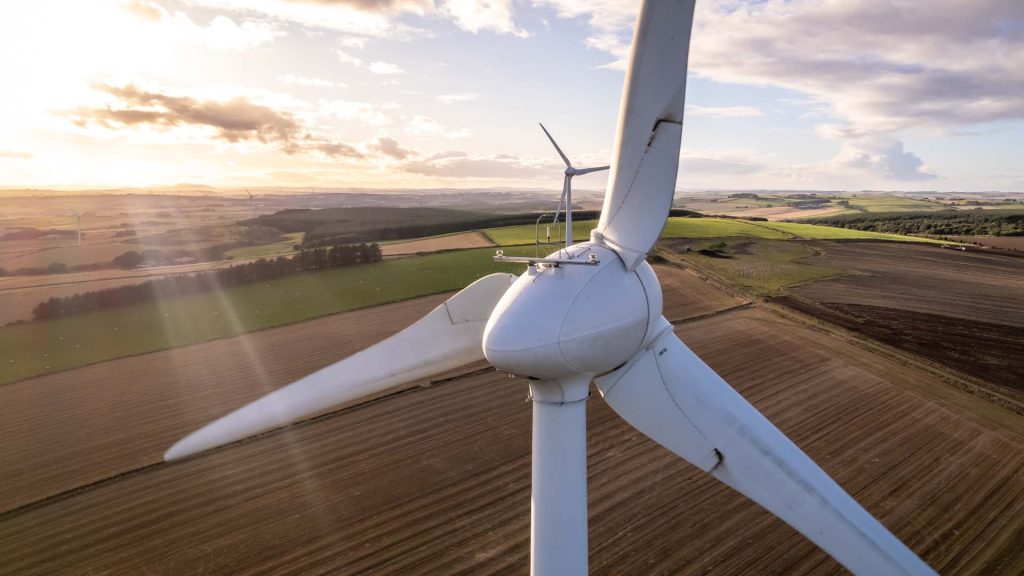
In short, the EU’s short- and medium-term climate objective involves:
- The necessary reduction of emissions, taking into account both direct reductions and carbon removal through the use of natural sinks, such as forests and soils, as well as carbon capture and storage technologies.
- Alignment with science and compliance with the Paris Agreement.
- The electrification of transport, the expansion of renewable energy and improved energy efficiency in industry.
- A limited use of international carbon credits from 2036 onwards, ensuring that real internal reductions amount to at least 85–86%.
Reducing its emissions by 86% by 2040 is the necessary intermediate step to ensure that Europe becomes the first carbon-neutral continent.