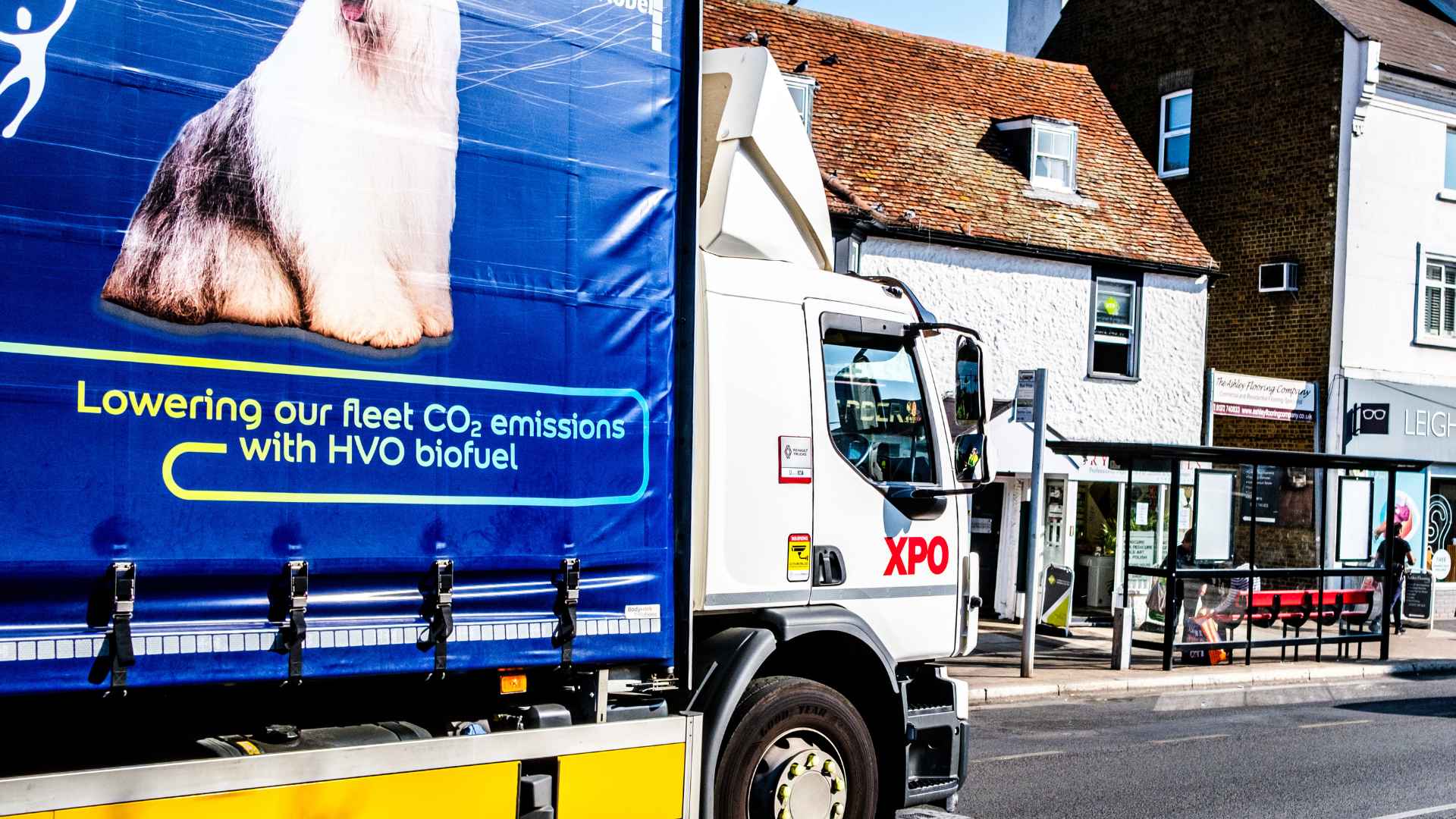
If we observe the main logistics routes and transport corridors in Spain, at first glance, nothing seems to have changed. The same heavy goods vehicles (HGVs) continue to cross the peninsula transporting freight. However, inside their fuel tanks, the greatest revolution in freight transport of recent decades is brewing.
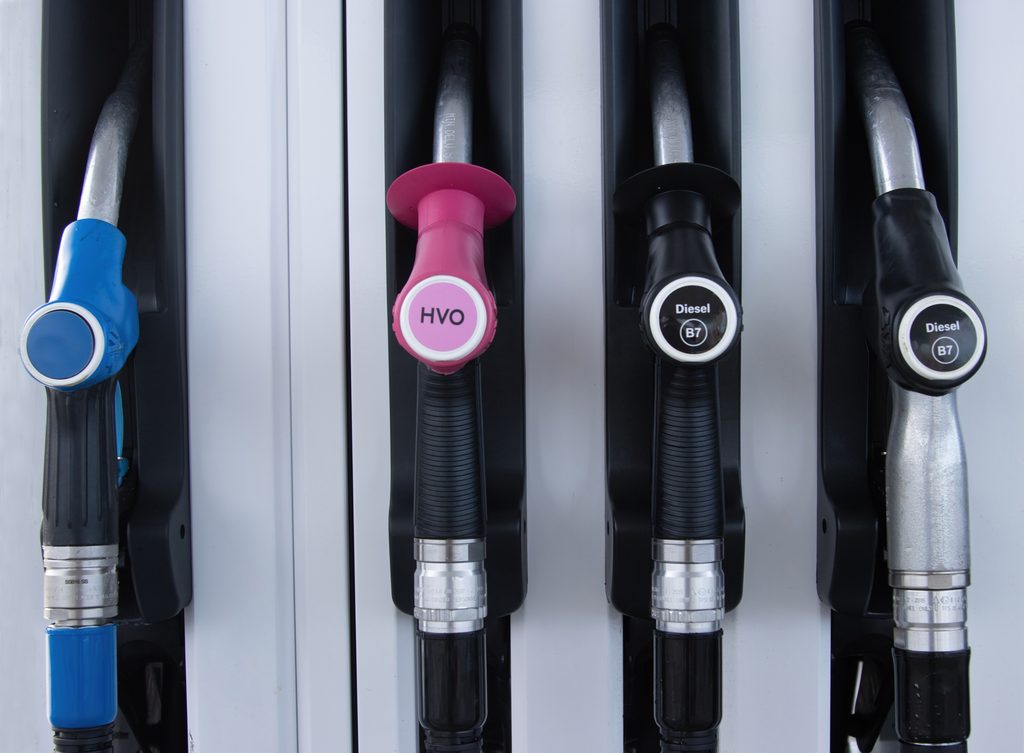
An increasing number of fleets are abandoning traditional fossil diesel to refuel with Hydrotreated Vegetable Oil (HVO). This silent transition requires no change of vehicles or engine adaptations, yet it is reducing emissions by up to 90%.
What is driving this mass adoption, and what role does waste management play in this new era of mobility?
The leap towards HVO in Spain is not a mere eco-trend; it responds to unprecedented economic and regulatory pressure:
- The mandate of major brands (ESG): Distribution and e-commerce giants are demanding that their logistics providers reduce their carbon footprint. To maintain contracts with these large shippers, transport companies are offering routes operated on HVO as a “premium service” or green freight.
- “Drop-in” adaptation (Zero fleet investment): Unlike the transition to electric or hydrogen lorries (which requires new vehicles and multi-million-pound charging infrastructures), HVO100 complies with the EN 15940 standard. This allows hauliers to use it directly in their current Euro 6 lorries.
- Tolls and Low Emission Zones (LEZs): In Europe, road tolls are already beginning to penalise the most polluting vehicles, and in Spain, urban regulations are tightening on last-mile logistics. HVO allows hauliers to bypass these penalties by reporting near-zero net emissions.
To manufacture this renewable diesel, Used Cooking Oil (UCO) is the most valuable resource. It enables decarbonisation based on a pure circular economy, without competing with food supplies or promoting deforestation.
The supply challenge and the role of Ibero Waste Trading
The boom in HVO requires refineries to resolve two urgent challenges: securing massive amounts of feedstock and guaranteeing anti-fraud traceability. At Ibero Waste, we work to resolve both bottlenecks. On the one hand, regarding volume consolidation, we pool UCO from multiple local waste managers to ensure the industrial supply demanded by the plants. On the other hand, concerning bulletproof certification (ISCC), we guarantee the 100% sustainable origin of the waste. Without this certification, the haulier would not be able to validate their emissions savings to the client.
Today, we continue moving forward to ensure that the engine of this revolution—Used Cooking Oil—flows with the quality, volume and transparency that the market demands.